Code generation, AI in the development workflow, and what it actually takes to ship faster without cutting corners.

Every decade something changes the math on developer output. AI code generation is that kind of shift — not because it writes perfect code, but because it eliminates the parts that consume hours without producing value.
Read more →
When AI handles scaffolding, the workflow changes structurally. Engineers move from construction to direction — more business logic, less repetitive typing.
Read more →
Most test suites have more gaps than engineers admit. AI-assisted test writing lowers the friction enough that coverage actually improves — if you use it right.
Read more →
Getting useful code out of AI tools is a learnable skill. Specificity, context, examples, and iteration — here's what makes the difference between mediocre and great output.
Read more →
Adding AI to your pipeline is straightforward. Doing it without introducing risk requires deliberate decisions about where it runs, what it gates, and who stays in the loop.
Read more →
Documentation is always out of date because it gets written after the code ships. AI generation moves the timing — and when docs are created at the point of writing, accuracy is much easier to maintain.
Read more →
AI changes the calculus on both pair programming and code review — but not by replacing either. Teams that use AI in both phases see better quality with less total review time.
Read more →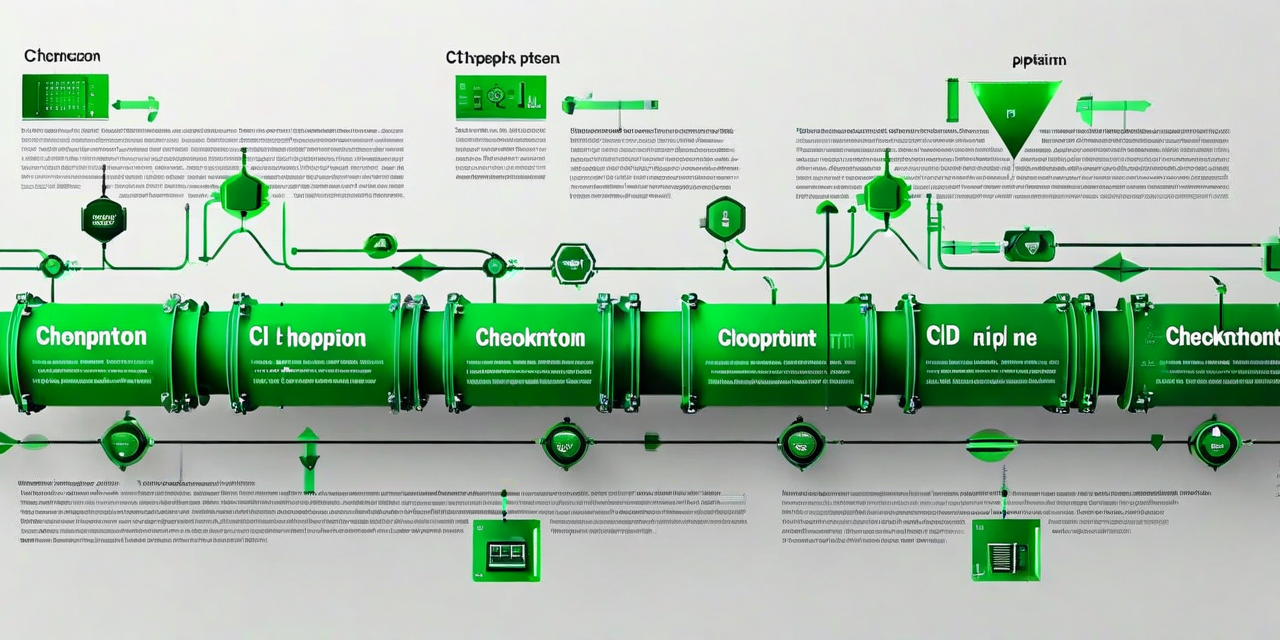
Technical debt doesn't get paid down because nobody has time and the work is hard to scope. AI-assisted refactoring lowers both barriers — turning vague cleanup tasks into concrete, completable tickets.
Read more →
Generated code can contain security issues just like human-written code. Here's what to check — from input validation to hardcoded secrets — before anything ships to production.
Read more →
Senior developers using AI well are widening the output gap, not closing it. Experience makes the difference between knowing what to ask the tool and knowing whether the answer is right.
Read more → DeepNest